Overview
We've put over 10 million calls through our AI sales engine. Ten million. That's not a theoretical training dataset. That's not simulated conversations. That's real people, real businesses, real money changing hands. At that scale, you stop guessing and start knowing. You stop theorizing and start proving. And you learn things about sales that no business school, no sales trainer, and no CRM vendor will ever teach you — because they've never operated at this scale. Here are the most important lessons from 10 million calls, and how every single one of them is built into Call Boss.
Lesson 1: Speed Is the Single Biggest Predictor of Conversion
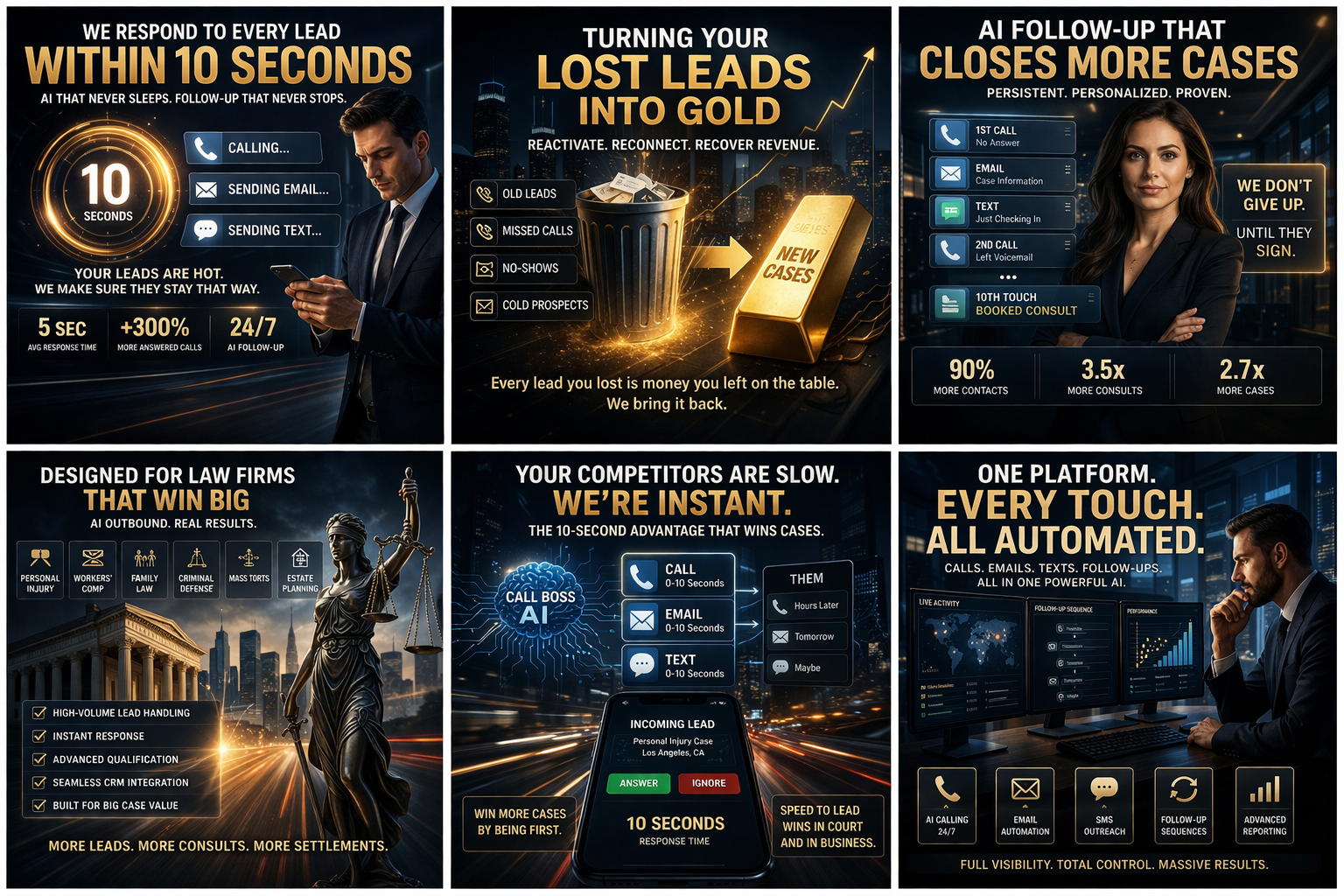
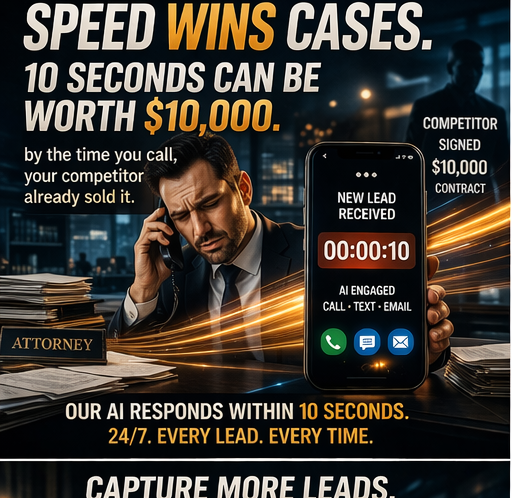
We measured this across millions of data points. The correlation between response time and conversion rate isn't linear — it's a cliff. - 0-5 seconds: Highest conversion rate by a massive margin - 5-60 seconds: Conversion drops 50% - 1-5 minutes: Conversion drops 75% - 5-30 minutes: Conversion drops 90% - 30+ minutes: You might as well be cold calling The lead who fills out your form at 2:47 PM has maximum buying intent at 2:47 PM. By 2:52 PM, they've started scrolling their phone. By 3:00 PM, they've gotten a call from your competitor. By 3:30 PM, they've forgotten they filled out the form. Our system makes contact in 5 seconds because we learned — across 10 million calls — that every additional second costs you money.
Lesson 2: The 7th Follow-Up Is Where the Money Is
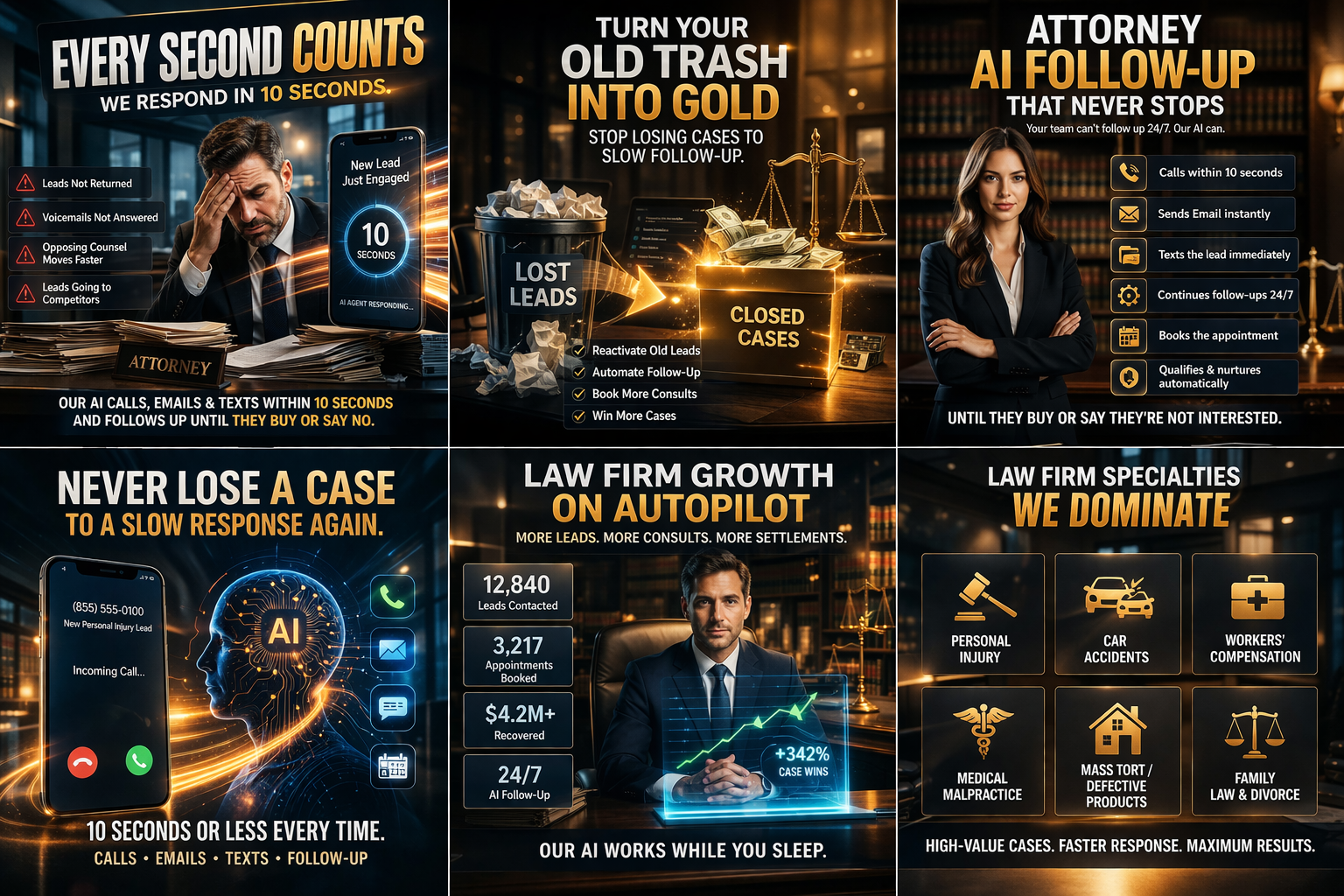
Here's a stat that haunts every sales manager: 80% of sales require 5+ follow-ups. But 90% of sales reps quit after the 3rd attempt. That gap — between attempt 3 (where reps stop) and attempt 7+ (where deals close) — is where the real money lives. And across 10 million calls, we've seen this play out thousands of times. Lead doesn't respond to first call. Or second. Or third. Rep marks them as "dead" and moves on. But our AI follows up a 4th time. 5th time. 7th time. And on the 8th follow-up — three weeks after the initial contact — the lead responds: "Yeah, actually, I am still interested." That conversion cost you nothing in acquisition. The lead was already in your system. It was already paid for. The AI just did what no human would — it followed up until it got an answer.
Lesson 3: Multichannel Outreach Isn't Optional
Single-channel outreach is dead. Calling without texting is dead. Emailing without calling is dead. We proved this across millions of interactions: - Call only: 12% contact rate - Call + text: 23% contact rate - Call + text + email: 34% contact rate - Call + text + email (simultaneous): 41% contact rate When you hit someone on three channels simultaneously within 5 seconds of their inquiry, you create an impression. They see your text, their phone rings, and an email hits their inbox — all at once. You're not just another business reaching out. You're the business that was right there, immediately, on every channel.
Lesson 4: Night and Weekend Leads Are Gold
One of the most surprising findings from our data: leads that come in between 8 PM and 7 AM have higher conversion rates than daytime leads. Why? Because nobody's contacting them until the next business day. A lead fills out a form at 11 PM on a Saturday. They're sitting on the couch, researching. They're in buying mode. Every other company will contact them Monday at 9 AM — 34 hours later. Our AI contacts them at 11:00:05 PM. Five seconds. "Hey, I saw you're interested in [product]. Great timing — let me get you some quick info." That lead is shocked. They're impressed. And they're still in buying mode, right now, while they're sitting on the couch with their credit card nearby.
Lesson 5: Positive Disconnects Are Free Money
We track a data point that most companies ignore: positive disconnects. These are calls where the conversation was going well but got cut off before a decision was made. Dropped call, bad signal, prospect had to run. Across 10 million calls, positive disconnects represent roughly 3-5% of all conversations. Most companies treat them like any other dead lead. We treat them like the highest-value leads in the pipeline — because they are. These people were engaged. They were interested. They were literally talking to you about buying. The call just dropped. An immediate callback and text within 60 seconds recovers 40-60% of these conversations. That's pure free money.
Lesson 6: The Best Time to Call Someone Back Is Not When You Think
Conventional wisdom says "call first thing in the morning" or "call during lunch when people are free." Our data says both are wrong. The best time to call someone is the moment they show intent. They opened your email? Call now. They clicked a link? Call now. They responded to a text? Call now. They visited your website? Call now. Intent-based timing beats schedule-based timing every single time. Our system detects intent signals in real time and acts on them immediately. Not "at the next scheduled follow-up" — right now.
Lesson 7: AI Handles Objections Better Than Most Reps
This one surprises people. How can a machine handle objections better than a human? Because the machine doesn't get emotional. When a prospect says "I'm not interested," most reps take it personally. They freeze. They say "Okay, sorry to bother you" and hang up. They just killed a lead that might have been saveable. Our AI says: "Totally understand — a lot of people feel that way at first. Quick question though: if I could show you how to save $200/month on your energy bill with zero out of pocket, would that even be worth a 5-minute conversation?" No ego. No emotion. No flinching. Just a clean, tested response that we know — from millions of interactions — converts "not interested" to "tell me more" at a surprisingly high rate.